Insights
Field notes from active consulting and product projects.
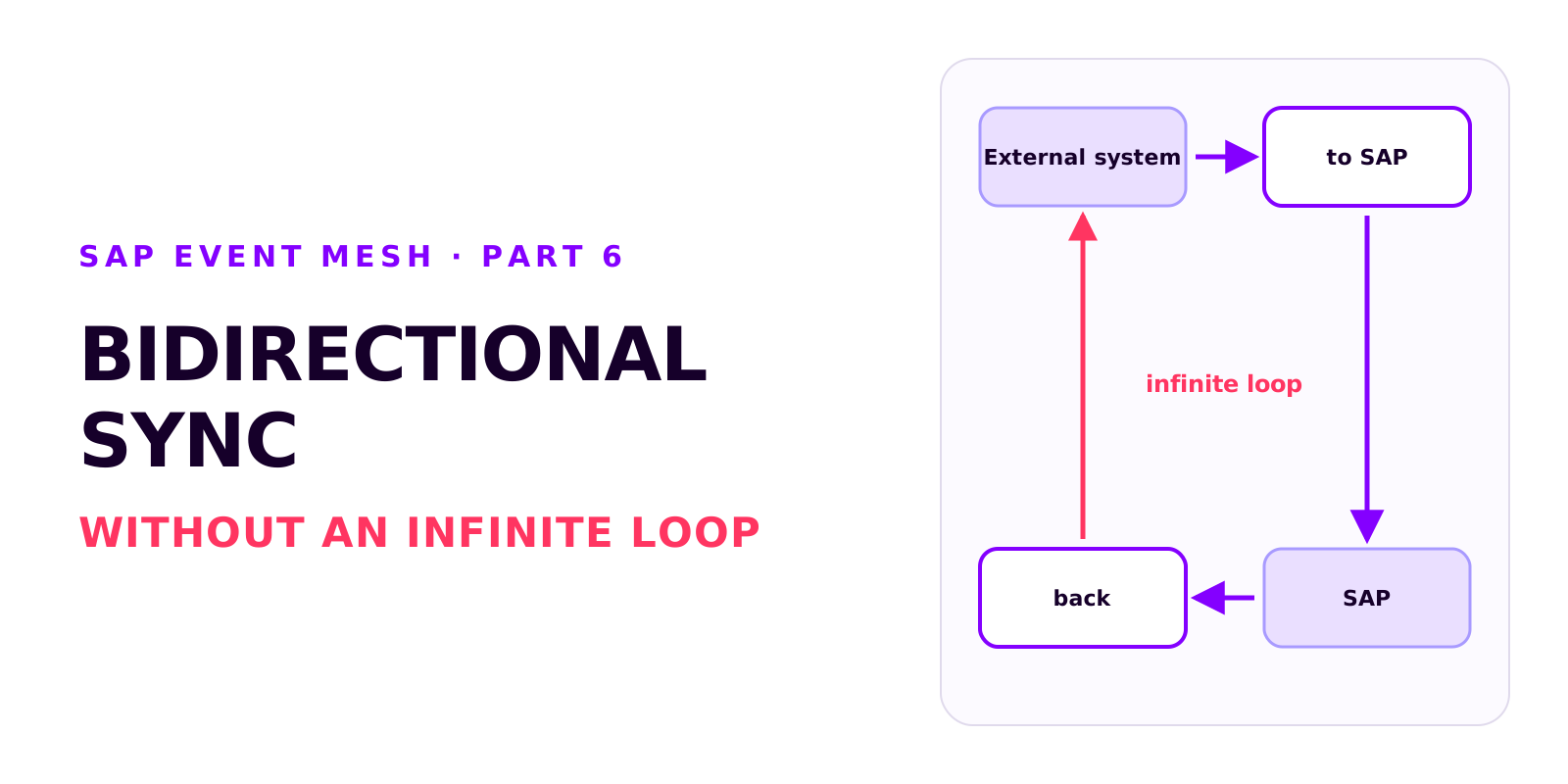
Two integrations that each work on their own can produce an infinite loop together. How it arises, how each side recognises its own writes, which field ties the records together, and why create and update mappings drift apart.
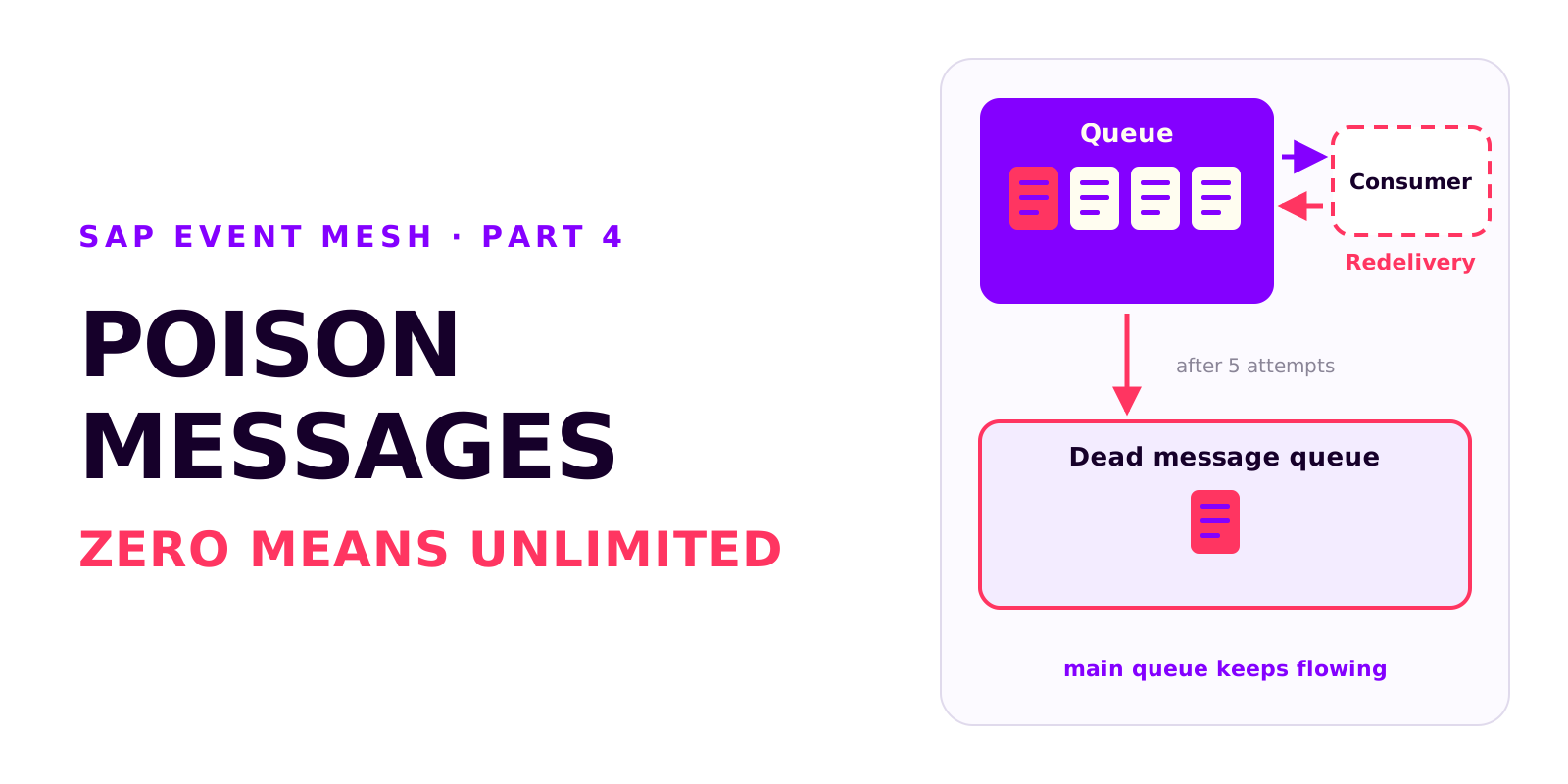
A message that can't be processed is redelivered without limit and blocks the queue. Why messages fail, how redelivery and the dead message queue work together, and which settings every productive queue needs.
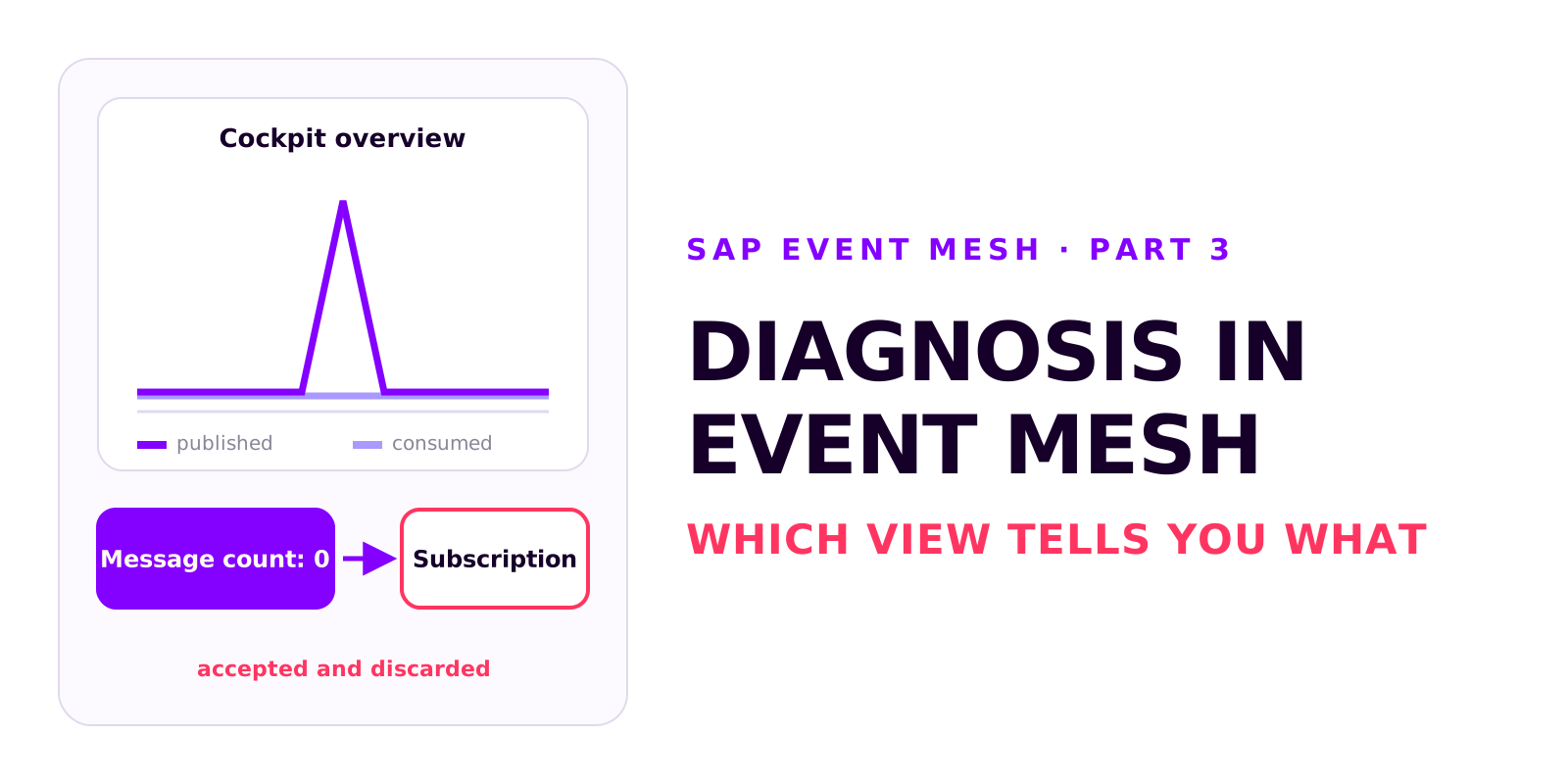
A decoupled integration has no end-to-end error message. Which four views in Event Mesh and Integration Suite tell you what, how to test without a source system, and how comparing the counters tells you where to look.
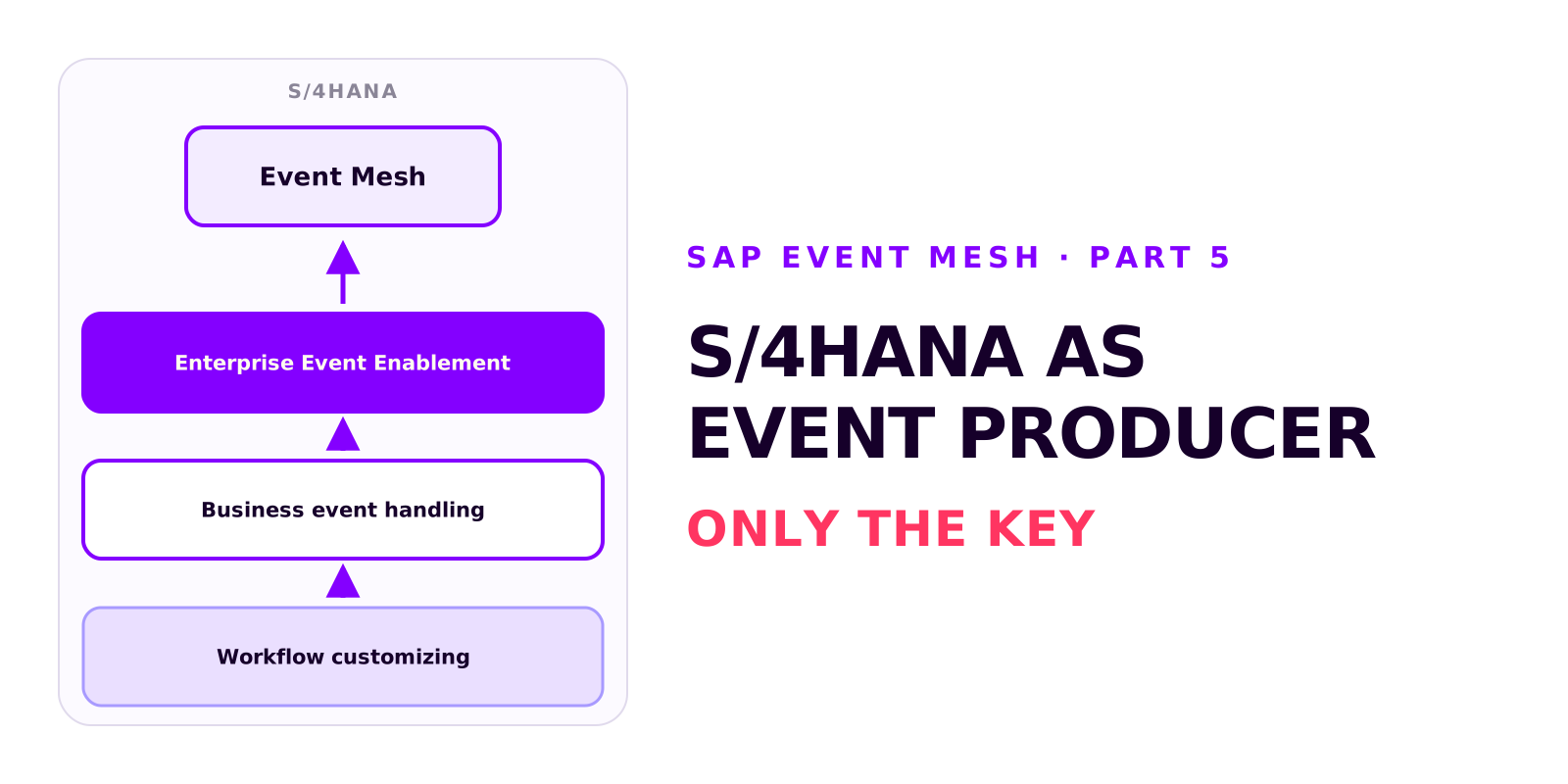
S/4HANA publishes events through Enterprise Event Enablement, with no custom development. Prerequisites and roles, the channel from the service key, outbound bindings, testing with a demo event and the Event Monitor, and why a business event carries only the key.
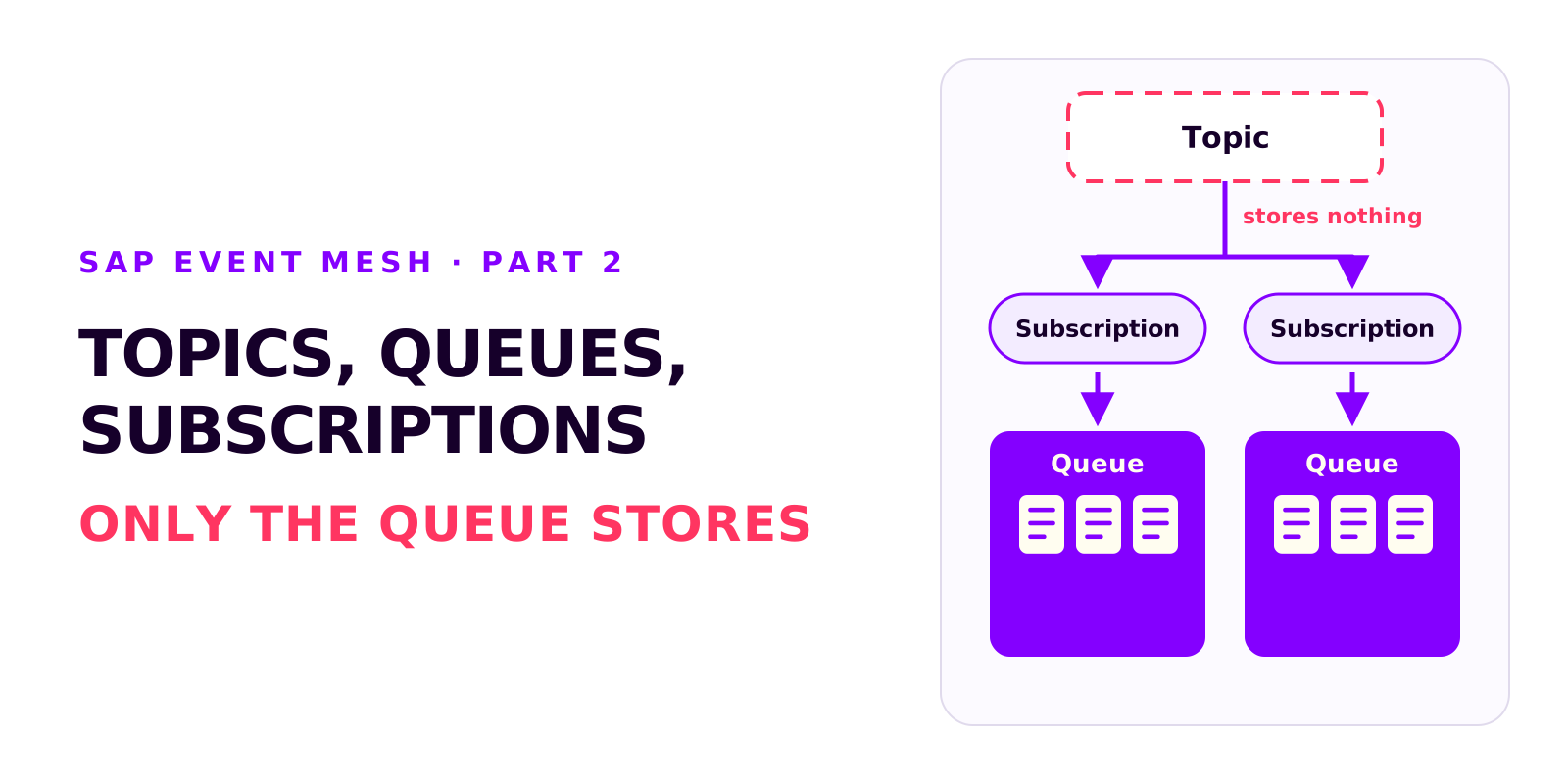
Topic, queue and subscription are three different objects. What each of them does, in which order to create them, how the namespace becomes part of every name and which wildcards subscriptions support.
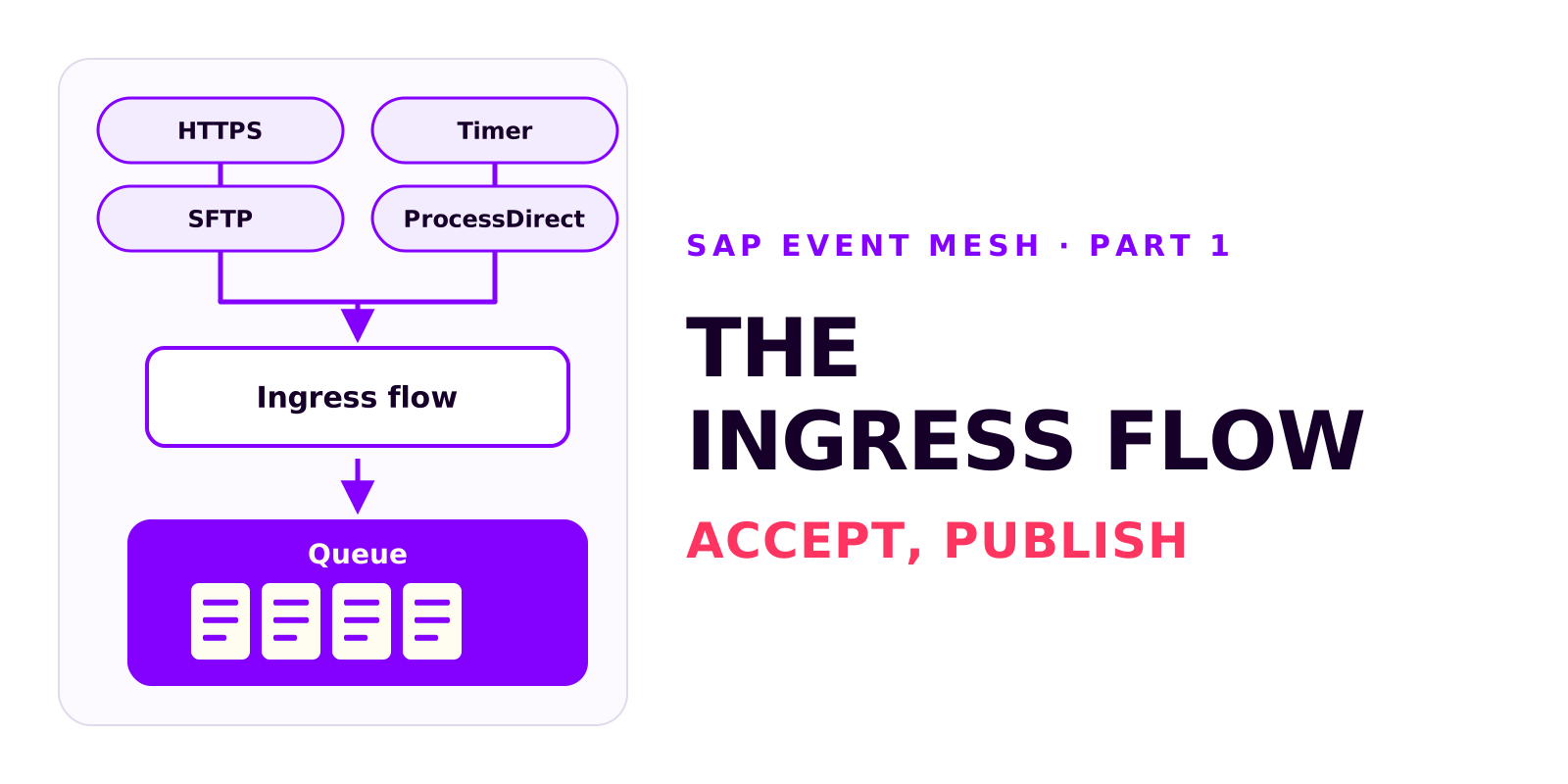
The ingress flow accepts an event and publishes it, unchanged, to a queue. What it does, which sender adapter fits the source system, how to configure the AMQP receiver adapter and how to verify that events reach the queue.
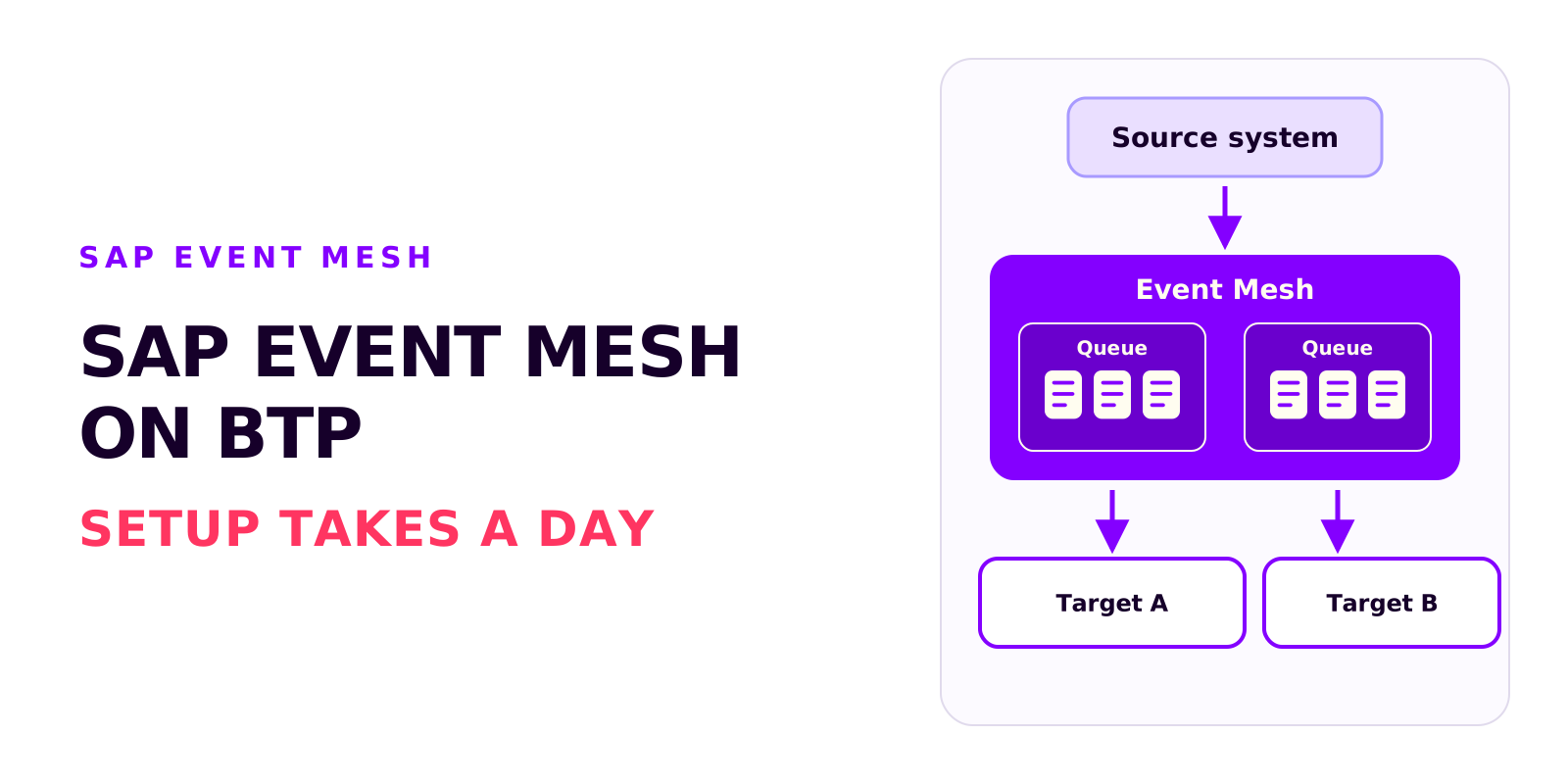
Setting up Event Mesh takes a day. The work goes into entitlements, role collections and event processing. What the service does, what you need to run it and what it costs.
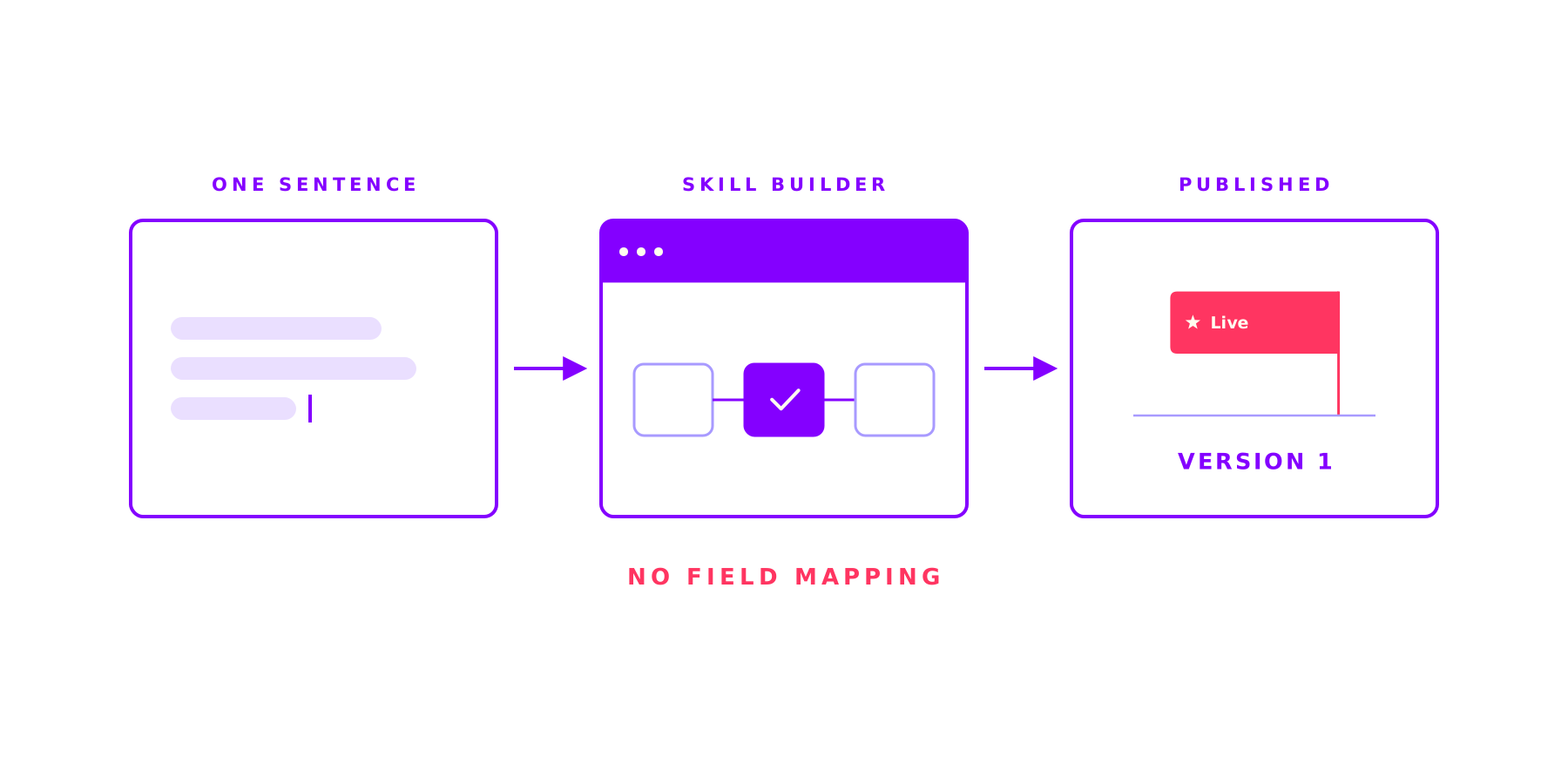
Ask an AI the same thing twice and get two different answers: that is where AI stalls in most companies. A Skill fixes the steps, the tools and the approvals up front and lets the AI work only where it is strong. And you build one in a single sitting.
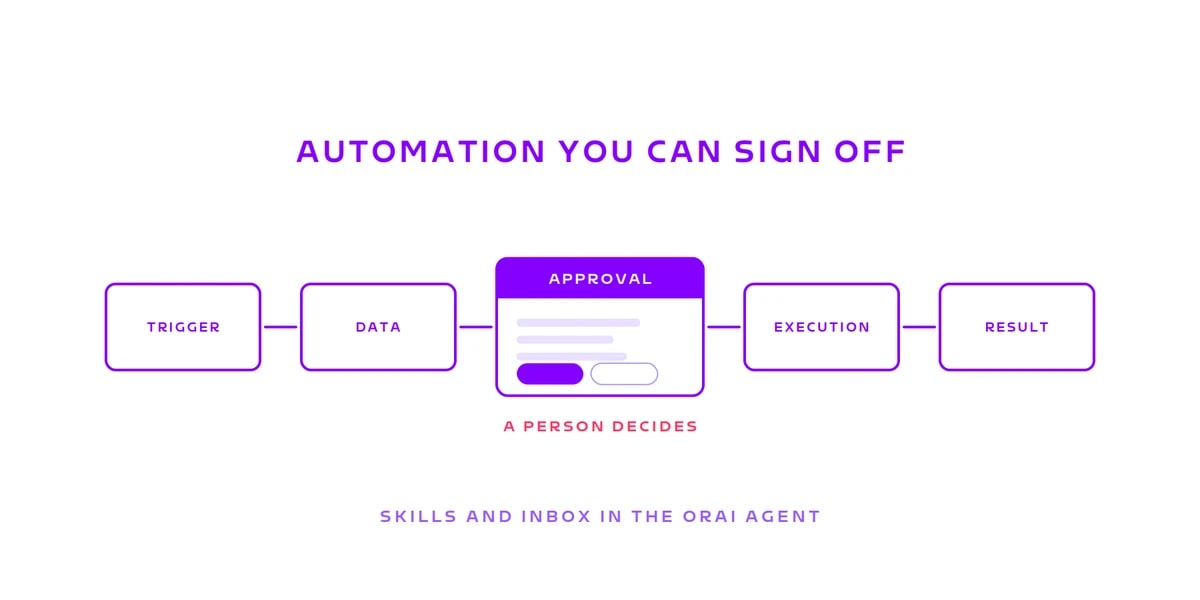
Reading: happily. Analysing: happily. Writing: not unsupervised, please. A Skill fixes the sequence before the first run starts, the Inbox stops it where someone has to answer for it. Why that combination carries the business case.
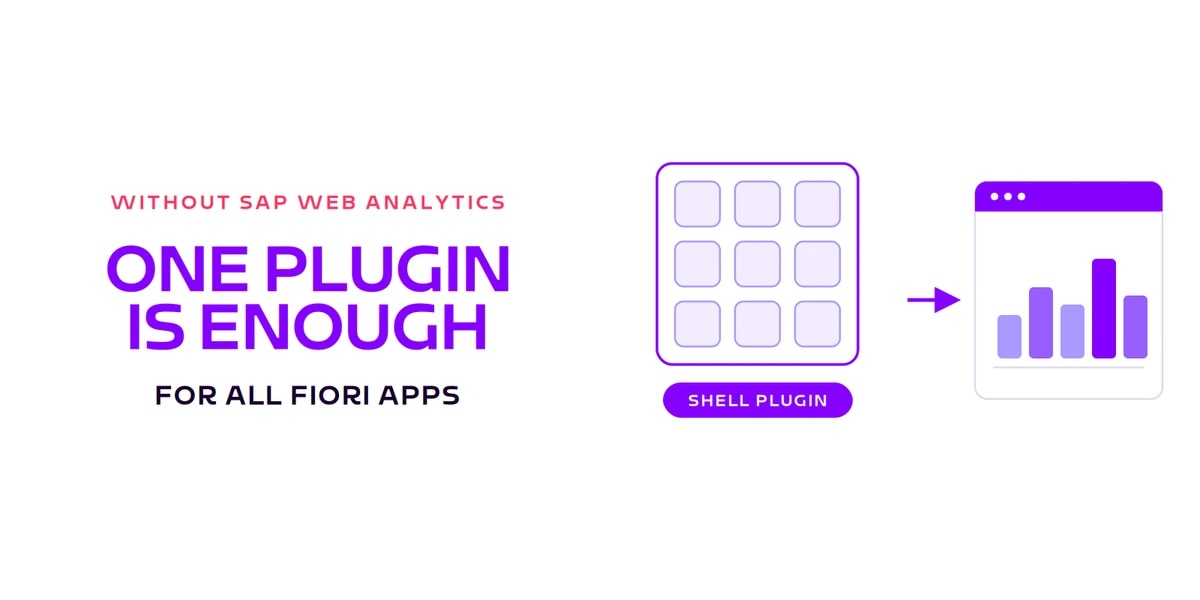
SAP Web Analytics was retired in 2022 and no successor followed. How to add Matomo through an FLP shell plugin while leaving your existing applications untouched.
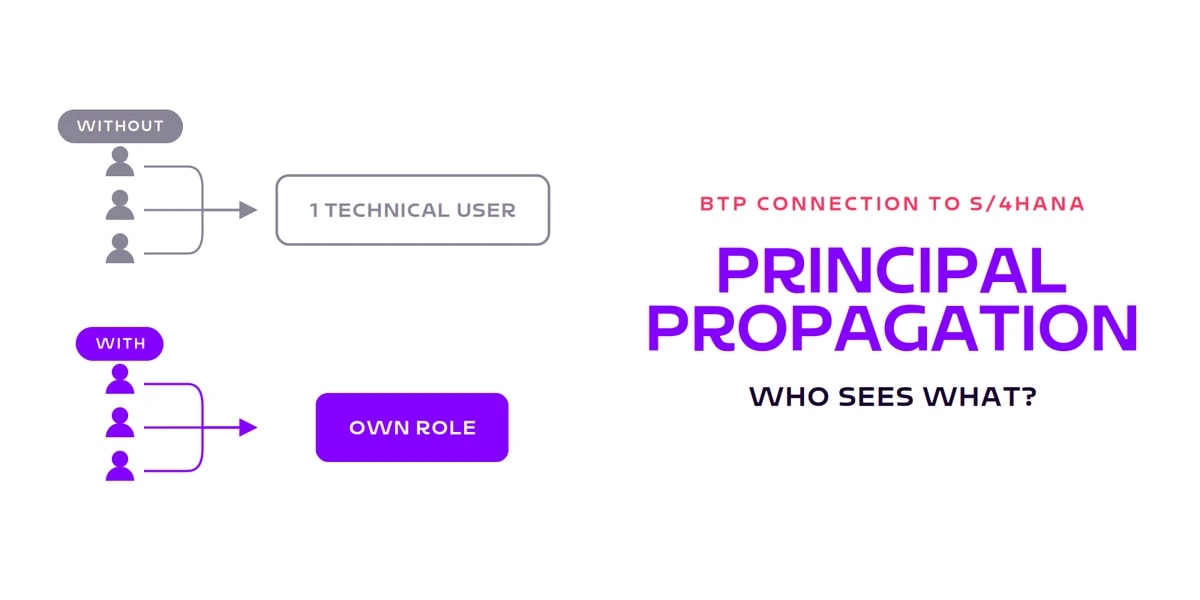
Without principal propagation, every user sees the data of a single technical account. How identity handover works from BTP into S/4HANA, what you need to configure, and when a different method is the better fit.
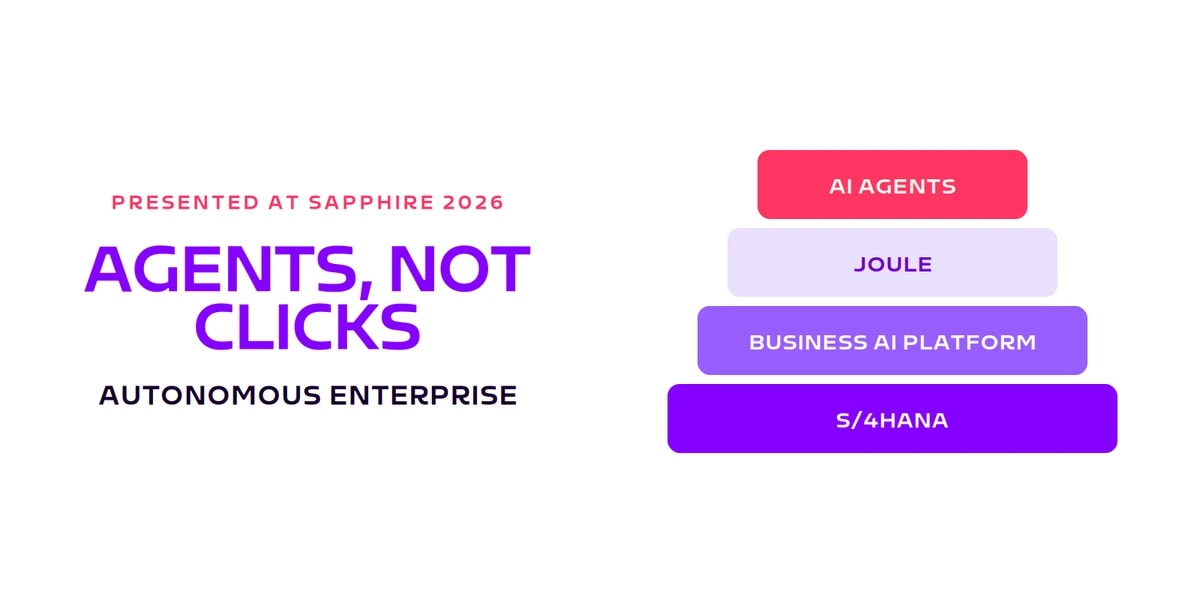
At Sapphire 2026 SAP unveiled the Autonomous Enterprise: AI agents that carry out tasks in the SAP system on their own. This post explains in plain terms how it is built, what the switch requires and what it costs, and where the ORAI Agent is the more practical alternative for older systems.
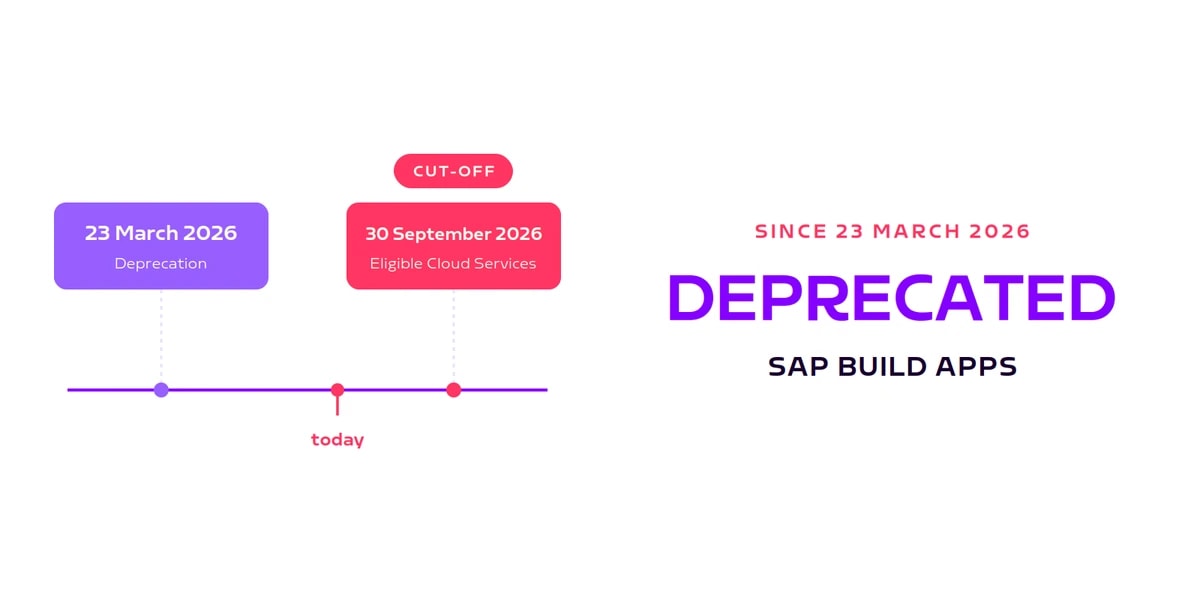
SAP deprecated SAP Build Apps on 23 March 2026 with no lead time. The date to plan around is 30 September 2026, when the service drops off the Eligible Cloud Services list. What SAP offers, what needs rebuilding, and where each app belongs.
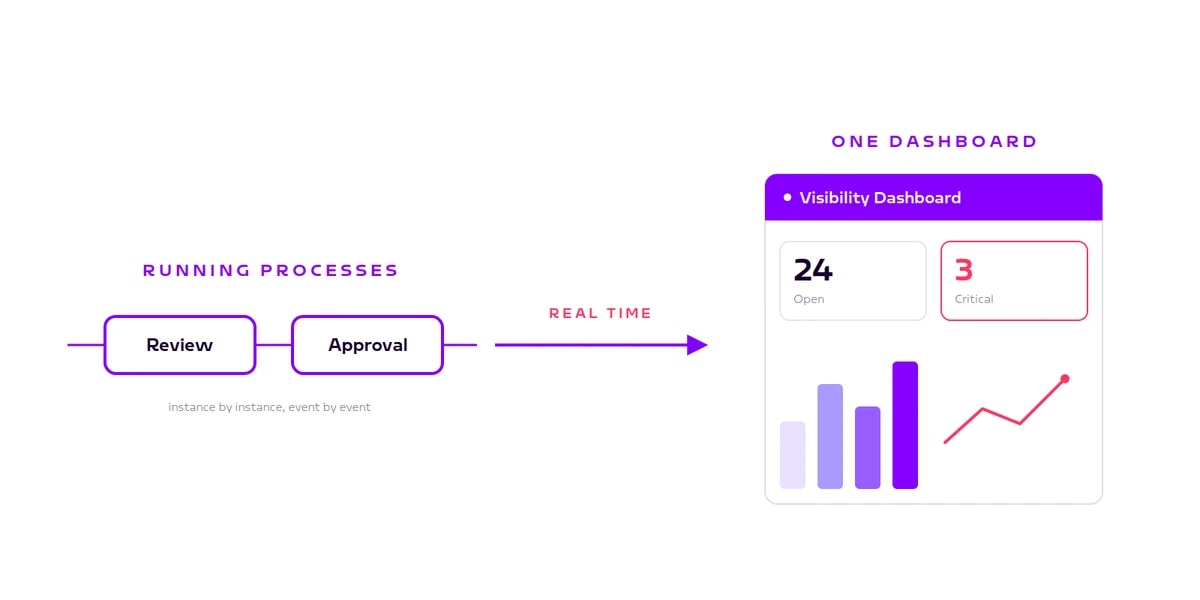
Your processes are running. But can you see how they are running? SAP Build Process Automation already ships with the tool for exactly this transparency: visibility scenarios, a configurable real-time dashboard right inside the platform. No extra tool, no separate license.
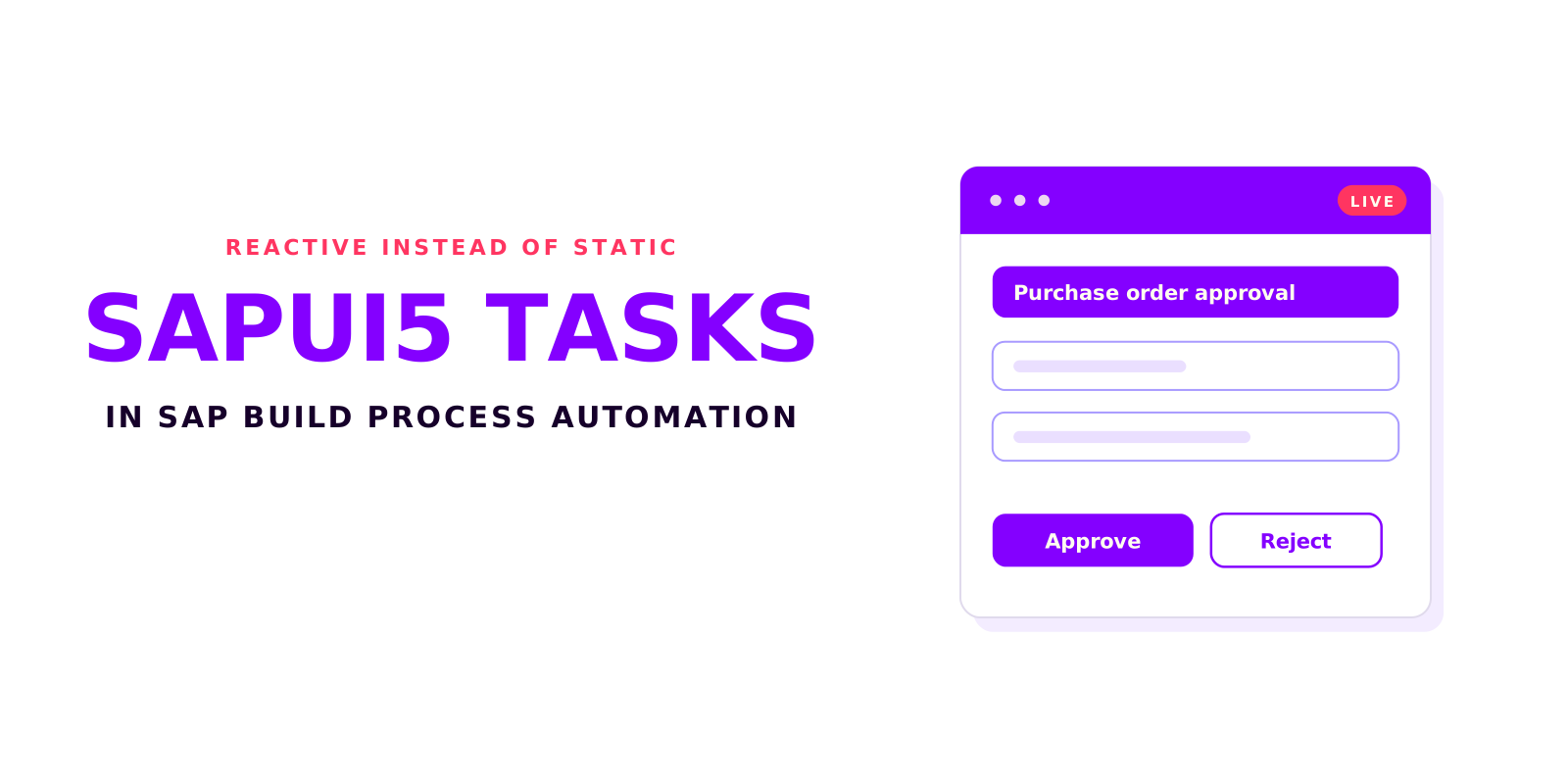
The Forms Builder in SAP Build Process Automation covers simple forms well, including tables and value helps. What it cannot do is react. SAPUI5 tasks close exactly this gap: you build the interface as your own UI5 app and import it into your process as a form. No additional product required.
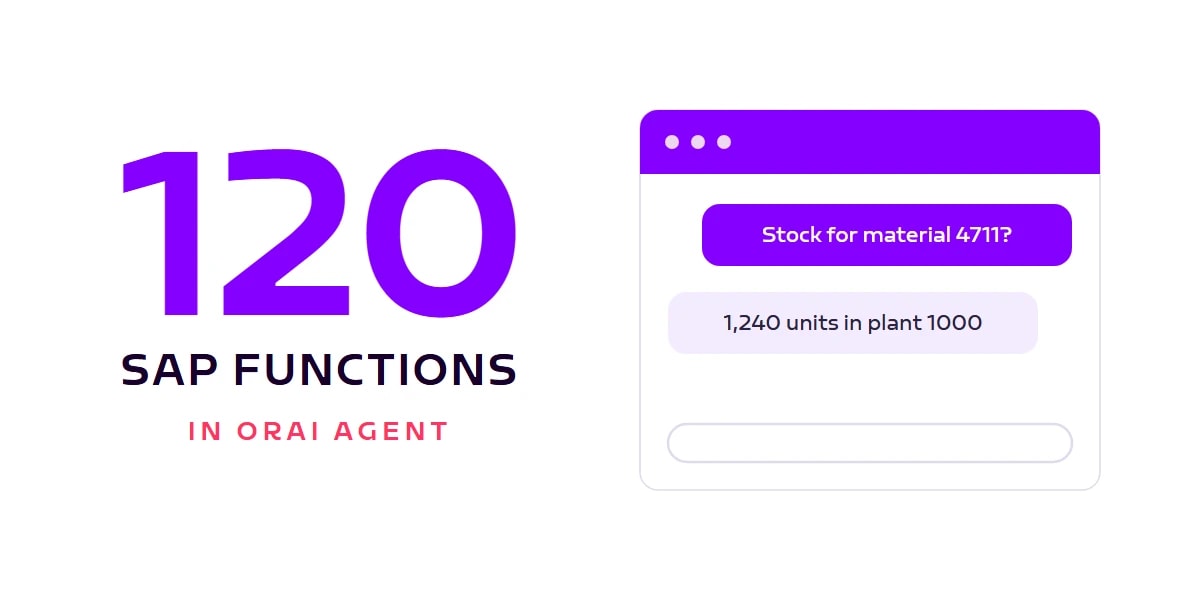
The ORAI Agent SAP catalog now covers 120 functions across 12 SAP standard APIs: order-to-cash and procure-to-pay end to end, plus material master, stock, and business partners. All via standard OData, no ABAP, with your users' real permissions. And the number keeps growing.
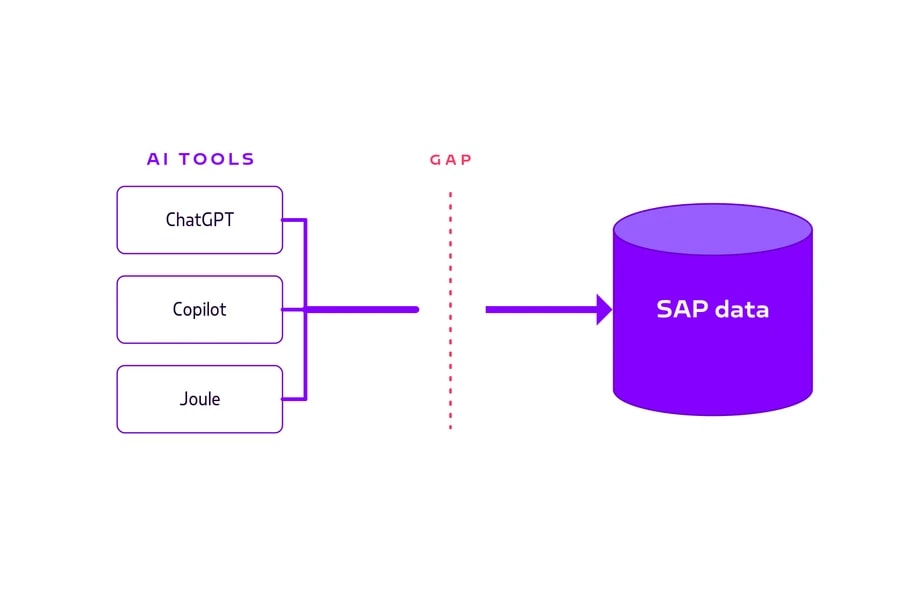
77% of SAP companies already use AI, but only 3% of it runs on SAP. The rest runs past their own SAP data with ChatGPT and Copilot. This article shows what Joule can really do today, where it breaks down, and how a third-party agent like the ORAI Agent gets your AI to your SAP data in weeks, not months: through standard APIs, with real user permissions, on-premises if you need it.
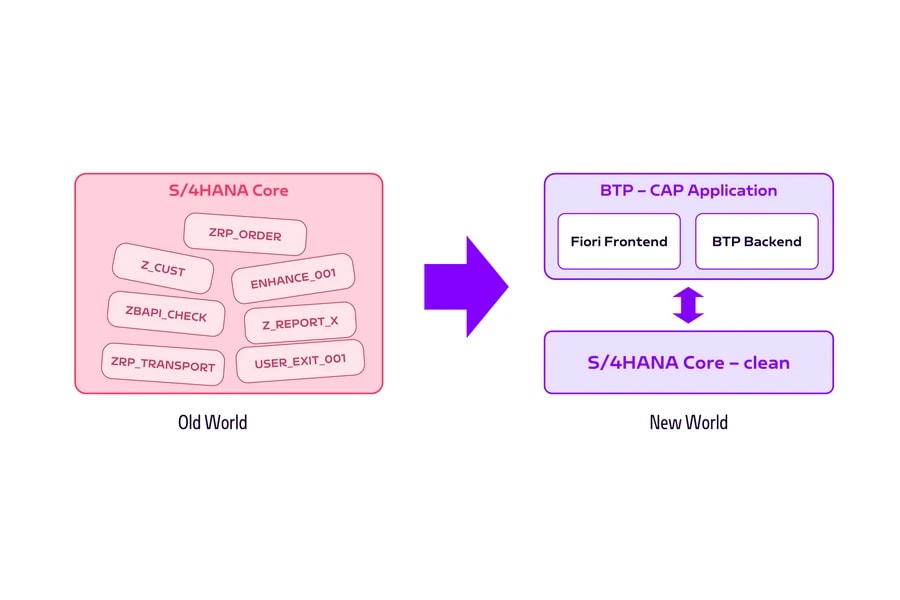
For over two decades, custom ABAP has kept SAP landscapes running. Today, that same Z-code legacy stands in the way of cloud transformation. How to decommission the right Z-programs, which ones to modernize, and why CAP applications are the way to meet new requirements.
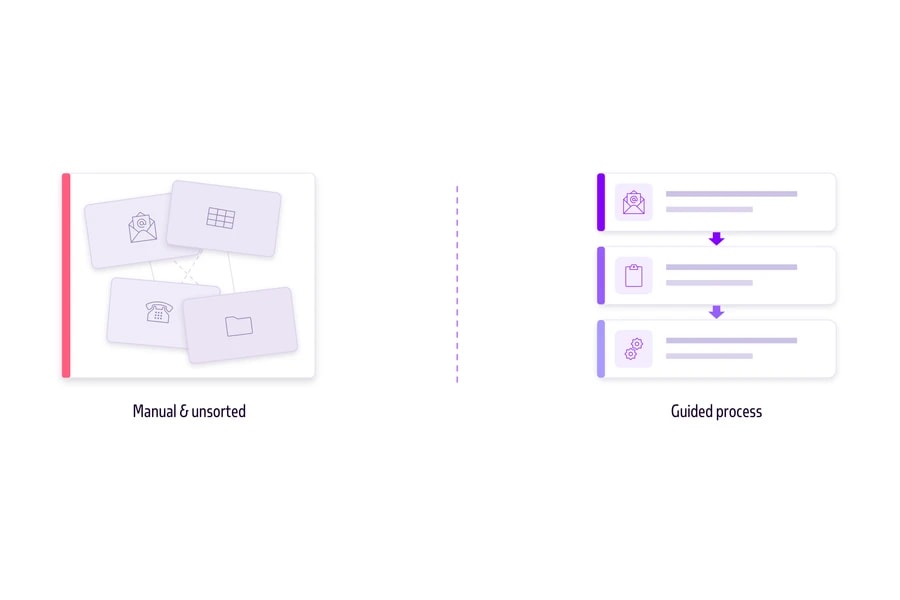
Why the material-creation process has become an underestimated efficiency killer in many German SAP landscapes, and why SAP Build Process Automation is the right answer to it.
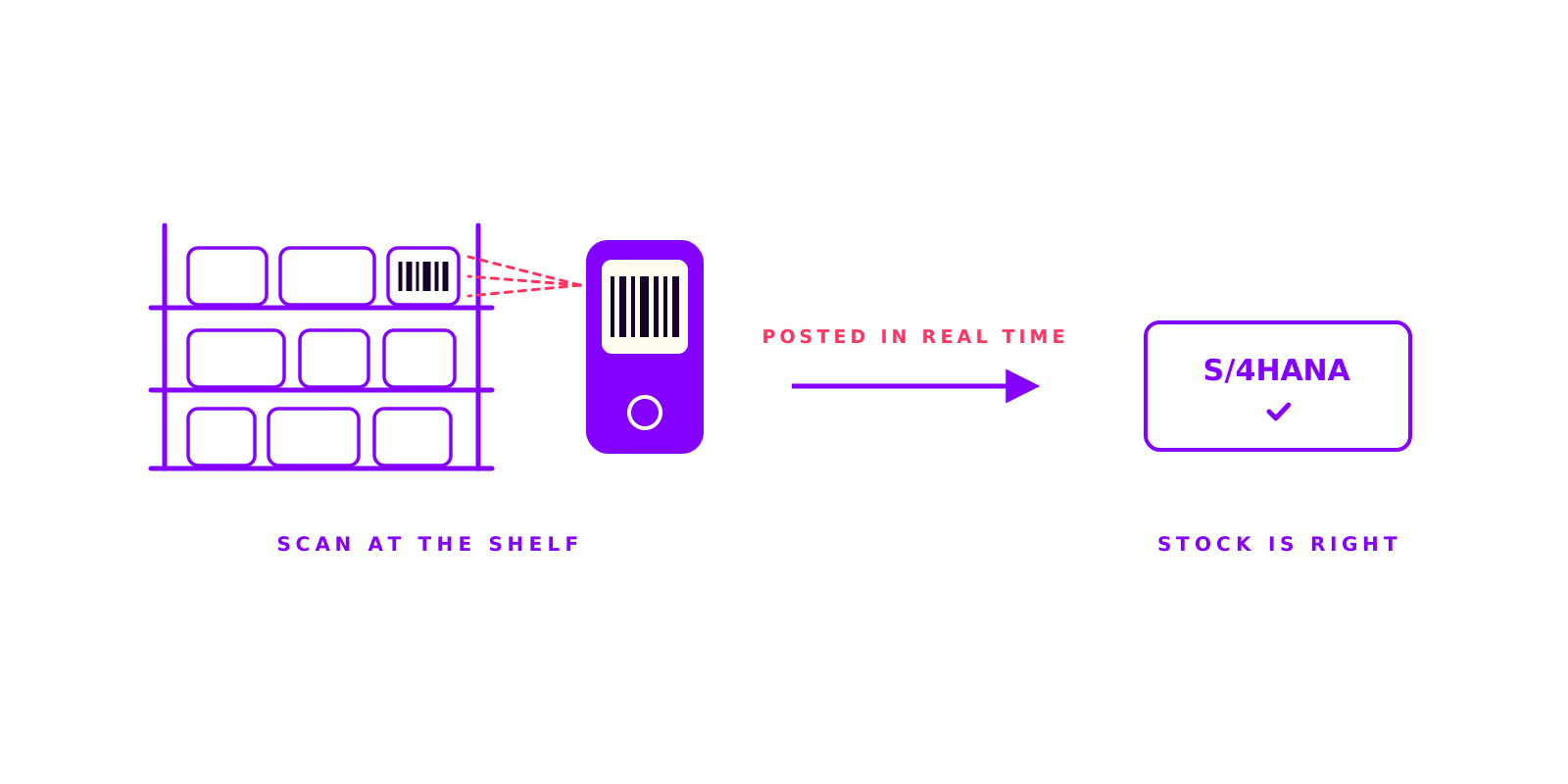
Where do you post stock movements: at the shelf or later at a desk? In one warehouse, movements were noted on paper and keyed in later. We built mobile apps with SAP Build Apps that handle goods receipt, transfers, stock counts and shipping right on the handheld. With barcode scanning, offline capable and booked straight into S/4HANA.
Send us a note or book a short meeting.